Bias Negative Positive
Bias Negative Positive. It determines how you react when they don’t act according to your preconceived notions. Negativity bias is linked to loss aversion, a cognitive bias that describes why the pain of losing is psychologically twice as powerful as the pleasure of gaining.2.
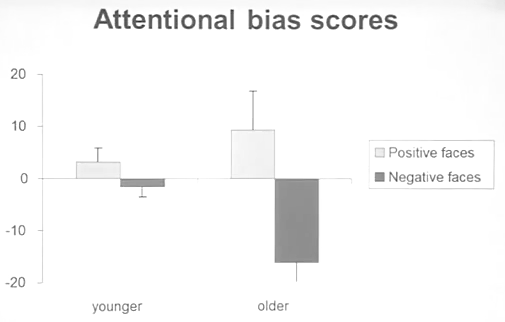
Negativity bias is linked to loss aversion, a cognitive bias that describes why the pain of losing is psychologically twice as powerful as the pleasure of gaining. How you talk to yourself about events, experiences, and people plays a large role in shaping how. Bias to regain a balanced perspective and avoid catastrophizing.
A Positive Bias Works In Much The Same Way.
And that is due to the brain's negativity bias : Negativity bias is linked to loss aversion, a cognitive bias that describes why the pain of losing is psychologically twice as powerful as the pleasure of gaining. • in a relationship, it typically takes five good interactions to make up for a single bad one.
Start Paying Attention To The Type Of Thoughts That Run Through Your Mind.
The aim of this study was to improve our understanding of the underlying mechanisms in the maintenance of depression. It determines how you think about them. What is the negativity bias?
Two Examples Are Provided To Get You Started.
The positive psychology website states the definition of negativity bias as “our proclivity to attend to, learn from, and use negative information far more than positive information.” this can lead to problems such as ruminating on negative thoughts, regretting past mistakes, worrying a lot about the future and feeling depressed. The answer is, for the same reason political smear campaigns outpull positive ones. Today positive publication bias had crept to such an extent in biomedical research that theoretical predictions are less accurate, methodologies less reliable, and true replications.
How You Talk To Yourself About Events, Experiences, And People Plays A Large Role In Shaping How.
In other words, for a multitude of reasons including biology and chemistry, we’re more likely to register. Nastiness just makes a bigger impact on our brains. “negative bias” refers to the processing advantage of negative stimuli (e.g., angry, fearful, sad, or disgusted faces) over positive stimuli (i.e., happy faces);
Results Indicated All Negative Behaviors Yielded The Predicted Pattern:
Thinking of a situation or challenge that you’d like to tackle, use this worksheet to list both positive and negative “what ifs?” in each of the columns. A tendency to ignore negative things in a flow of information. The negative bias is our tendency not only to look for negative stimuli…but also to dwell on the negative as it shows up in everyday life!”.


Comments
Post a Comment